13 years on the other side of the badge.Now defending Houston DWI cases.
Before he was a Houston DWI defense lawyer, Kenneth was a police officer for 13 years. He conducted DWI investigations. Administered field sobriety tests. Operated breath instruments. Wrote arrest reports. Testified as the State’s witness. Now he brings all of it to your defense.
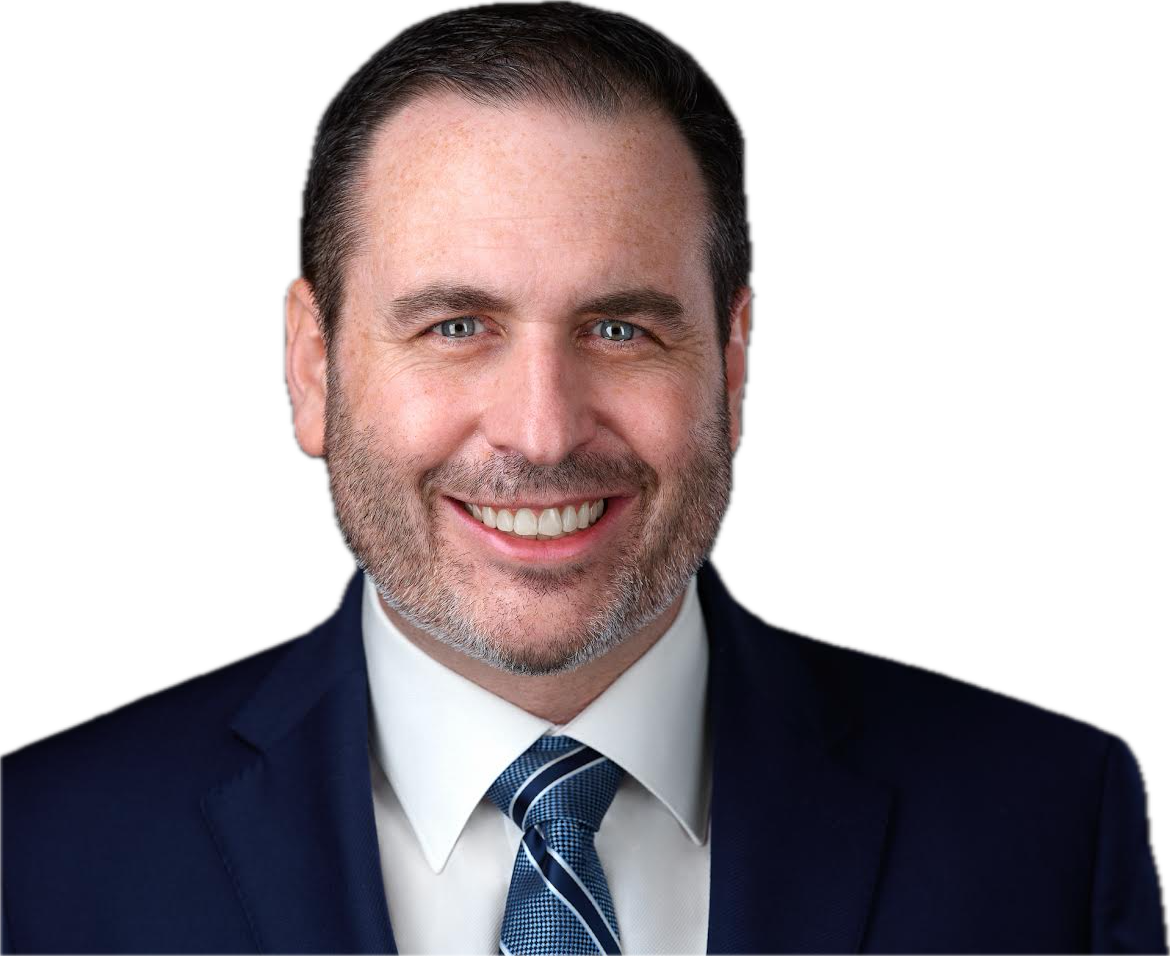
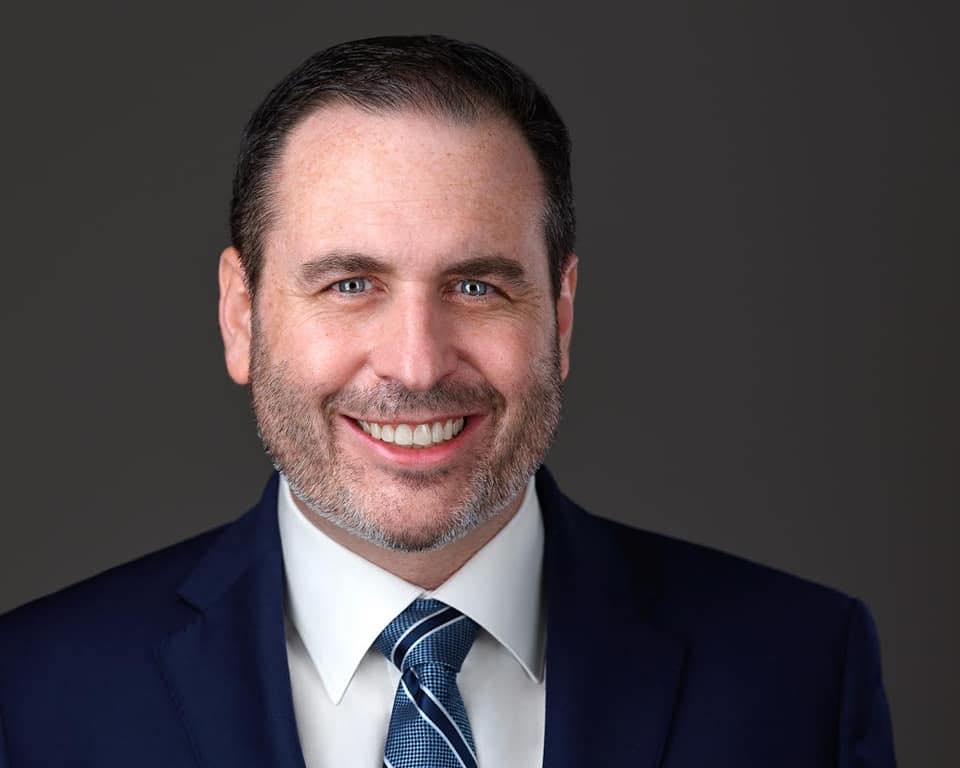
Kenneth V. Mitchell
Houston DWI Defense · KVM Law Firm, PLLC
Before becoming a DWI defense attorney, Kenneth spent 13 years as a Texas police officer — including service in the Hit and Run and Vehicular Crimes Division of the Houston Police Department. He has personally conducted traffic stops, administered Standardized Field Sobriety Tests, and built DWI cases from the law enforcement side. He uses that operational knowledge to challenge the State’s evidence from the inside out.
Textbook learning versus doing the job.
Most DWI lawyers learn about police procedures from textbooks, seminars, and depositions. Attorney Kenneth V. Mitchell learned them by doing the job for 13 years.
Before becoming a DWI defense attorney, Kenneth served as a police officer for 13 years and as a United States Army veteran. He holds a Master Peace Officer License from TCOLE (Texas Commission on Law Enforcement) — the highest-level peace officer certification in Texas. He is SFST certified through the Houston Police Academy and has completed forensic Gas Chromatography and GC/Mass Spectrometry training — the actual lab instruments Texas crime labs use to analyze blood evidence in DWI cases.
This is not background you can get from a CLE course or a weekend seminar. This is over a decade of street-level experience conducting DWI investigations, administering field sobriety tests, operating breath testing equipment, writing arrest reports, and testifying under oath as the State’s witness.
Reading police reports the way a cop wrote them.
DWI arrest reports follow predictable templates. Officers are trained to include specific language that supports probable cause: bloodshot watery eyes, odor of alcoholic beverage, slurred speech, swaying, six clues on HGN, failure on Walk-and-Turn. The phrases repeat from report to report because officers know what the report needs to say to survive a probable cause challenge.
When Kenneth reads a DWI arrest report, he is not guessing what the officer meant or speculating about what happened. He has written those reports himself. He recognizes when the language is boilerplate cut-and-paste versus a genuine account of what actually occurred. He can tell when an officer is describing what actually happened versus what the officer knows the report needs to say to support the arrest.
This ability to read between the lines of police documentation routinely surfaces inconsistencies, gaps, and overstatements that other defense attorneys miss — and those gaps become the foundation of motion practice and cross-examination at trial.
Hands-on gas chromatography training.
In Texas, blood evidence in DWI cases is analyzed almost exclusively using Headspace Gas Chromatography (HS-GC) for alcohol and Gas Chromatography–Mass Spectrometry (GC-MS) for drugs. These instruments are considered the gold standard in forensic toxicology. But “gold standard” only means something when the instruments are properly calibrated, the samples are properly preserved, and the analysts follow established protocols.
Kenneth has completed hands-on forensic training in both Gas Chromatography and GC/Mass Spectrometry. He has physically operated the instruments, prepared samples, run analyses, and studied the chromatograms that the State’s experts produce as evidence. This is not theoretical knowledge from reading a textbook — it is practical, instrument-level understanding of how blood evidence is generated, and where that process can fail.
When Kenneth reviews blood evidence in a DWI case, he understands the heating of the sample vial, the partition coefficient between liquid and headspace, retention time variability, peak integration practices, calibration with known standards, chain-of-custody documentation, and the operator certification required by the lab. Blood test cases that might look unwinnable to other attorneys often have genuine defense opportunities when Kenneth reviews them. The number on the lab report is only as reliable as the process that produced it.
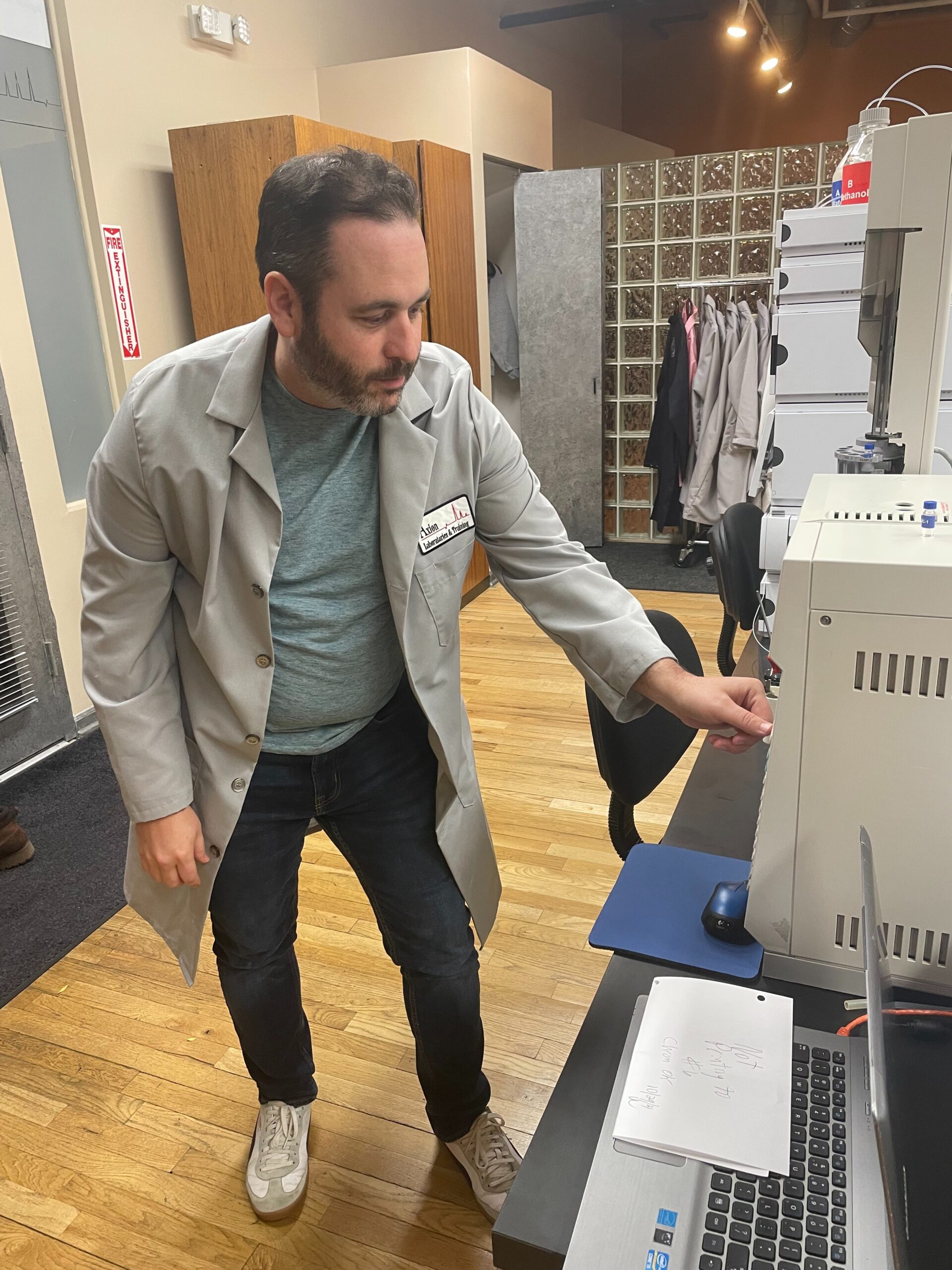
Kenneth completing hands-on GC/MS forensic training.
Cross-examining officers from the chair they’ve sat in.
Cross-examination of the arresting officer is often the most important part of a DWI defense — both at the ALR hearing and at trial. The officer’s testimony about the traffic stop, field sobriety tests, observations of impairment, and basis for arrest is frequently the backbone of the State’s case.
Most defense attorneys prepare cross-examination by studying the NHTSA manual and formulating questions based on what they have read. Kenneth prepares cross-examination based on what he has actually done. He has:
- Administered HGN tests under every imaginable roadside condition — at night, in rain, with police light bars flashing, on highway shoulders with traffic passing at 70 mph.
- Conducted Walk-and-Turn tests on surfaces that were wet, sloped, gravel-covered, or otherwise inappropriate for the test — and he knows that NHTSA requires a reasonably dry, hard, level, non-slippery surface.
- Written arrest reports using the same templates and boilerplate language that every officer uses — and he can identify when report language describes a protocol being followed versus a box being checked.
- Testified under oath about DWI investigations as the arresting officer — and he knows the pressure officers feel to support their arrest, the questions they dread, and the areas where their training is weakest.
When Kenneth cross-examines an officer, he is not reading from a script of generic questions. He is asking questions from the perspective of someone who has sat in that exact chair, answered those exact questions, and knows exactly where the weak points are.
Trial-ready defense, not a plea-deal mill.
The majority of DWI cases in Harris County end in plea bargains. Many attorneys never intend to take a case to trial — they take high volumes of cases, negotiate quick pleas, and move on to the next client. That is not how Kenneth operates.
Every DWI case at KVM Law Firm is prepared with the assumption that it may need to go to trial. This does not mean every case goes to trial. It means that when Kenneth negotiates with the prosecution, he negotiates from a position of strength — backed by genuine preparation, identified defense opportunities, and a demonstrated willingness to litigate.
Prosecutors can tell the difference between an attorney who is bluffing about trial readiness and one who is genuinely prepared to go. Kenneth’s background as a former officer, his trial experience as both first-chair and second-chair, and his technical knowledge of SFST and blood testing science give him credibility that directly translates into better negotiating leverage and, when necessary, better trial outcomes.
What Kenneth’s law enforcement background means for your DWI case.
The LEO advantage is not abstract. It produces concrete results at every phase of a DWI matter, from the moment of arrest through final resolution.
At the ALR Hearing
- Files the ALR request immediately — within the 15-day deadline that many attorneys miss or mishandle.
- Subpoenas the arresting officer and cross-examines them under oath, using insider knowledge to expose procedural errors and inconsistencies.
- Uses the ALR hearing strategically as an early discovery tool, locking in officer testimony months before the criminal trial.
During Pretrial Investigation
- Reads arrest reports critically, distinguishing genuine observations from boilerplate template language.
- Reviews dashcam and bodycam footage frame by frame, comparing what actually happened to what the report claims happened.
- Analyzes SFST performance against NHTSA standards, identifying clues that were improperly scored or tests that were invalidly administered.
- Reviews blood test results and chromatograms with the technical understanding to identify calibration failures, co-elution, contamination, and chain-of-custody problems.
In Negotiations with Prosecutors
- Presents defense opportunities from a position of knowledge and credibility — prosecutors take motions to suppress and evidentiary challenges more seriously when they come from an attorney who clearly understands the science and the procedures.
- Articulates specific NHTSA protocol violations, specific lab procedure failures, and specific constitutional issues in a way that demonstrates genuine trial readiness.
- Negotiates from strength, not from a default plea-bargain posture — which translates into measurably better resolutions.
At Trial
- Cross-examines officers effectively because he has sat in their chair and knows what questions they were trained to expect — and which questions they dread.
- Exposes genuine reasonable doubt rather than relying on generic procedural attacks.
- Presents a defense grounded in facts, science, and constitutional law — not just procedural technicalities.
Direct attorney involvement. No case manager. No volume practice.
Some firms take every DWI case that walks through the door, hand the file to a junior attorney or paralegal, and negotiate a quick plea. Kenneth does not operate that way. He limits his DWI caseload to ensure that every client gets direct attorney involvement, thorough preparation, and the individual attention that a criminal charge demands.
When you hire KVM Law Firm for DWI defense, you are hiring Kenneth V. Mitchell. Not a case manager, not a junior associate, not a paralegal who will “handle things until your court date.” You work with your attorney from the first consultation through the final resolution of your case.
One clear price. Discussed upfront.
Every DWI case at KVM Law Firm is handled on a flat-fee basis. Your fee is discussed upfront during the initial consultation — one clear price that covers representation through the life of your case, including ALR hearings. There are no hourly billing surprises, no unexpected invoices, and no uncertainty about what your defense will cost.
This approach reflects the same directness and accountability that Kenneth brings to every aspect of his practice. You know what you are paying, and you know what you are getting: direct attorney involvement, thorough preparation, and a defense built on real courtroom experience and technical knowledge.
DWI defense across the greater Houston area.
Harris County
Houston, Pasadena, Baytown, Katy, Cypress, Spring, and surrounding communities.
Montgomery County
Conroe, The Woodlands, Spring, Willis, and surrounding areas.
Galveston County
Galveston, League City, Texas City, Friendswood, and surrounding areas.
Get a former officer on your side.
If you have been arrested for DWI in Harris, Montgomery, or Galveston County, the 15-day ALR deadline is already running. Call now for a free, confidential case review.
What “trial-ready” produces in practice.
The defense strategies on this page are not abstract. They are the strategies that produce real outcomes in Harris County DWI cases — outcomes that begin with early evidence work, careful procedural review, and preparation that does not assume an automatic plea.
Harris County County Criminal Court at Law — DWI client discharged at first appearance on a no probable cause finding. Released without bond conditions, without ignition interlock, without a plea on the record.
Targeted suppression motions challenging the lawfulness of the stop, the administration of SFSTs, and the foundation for breath or blood test results — the procedural attacks that can end DWI cases before trial.
Negotiated reductions from DWI to a lesser charge under Tex. Penal Code § 42.03 — protecting the client from the lifetime collateral consequences of a DWI conviction in Texas.
ALR hearings won by attacking the procedural foundation for the suspension — reasonable suspicion for the stop, probable cause for the arrest, and the proper administration of the breath or blood test request.
Past results do not guarantee similar outcomes. Every DWI case turns on its own specific facts, evidence, and procedural history. Outcomes depend on factors that vary by case and cannot be predicted in advance.